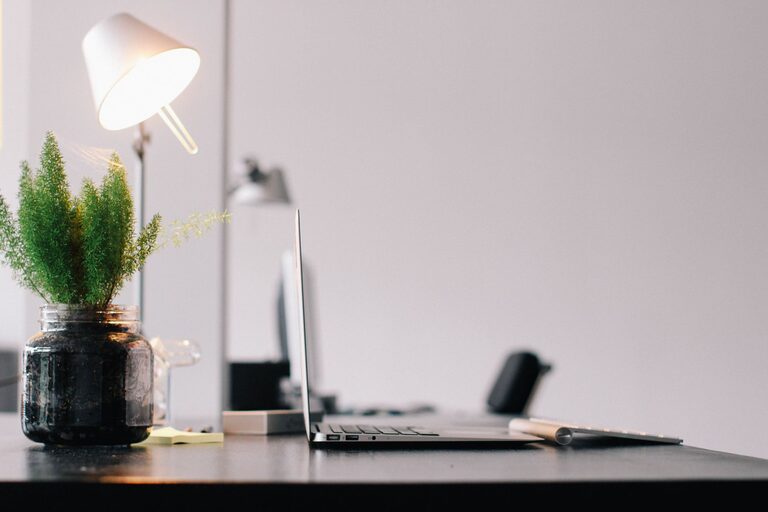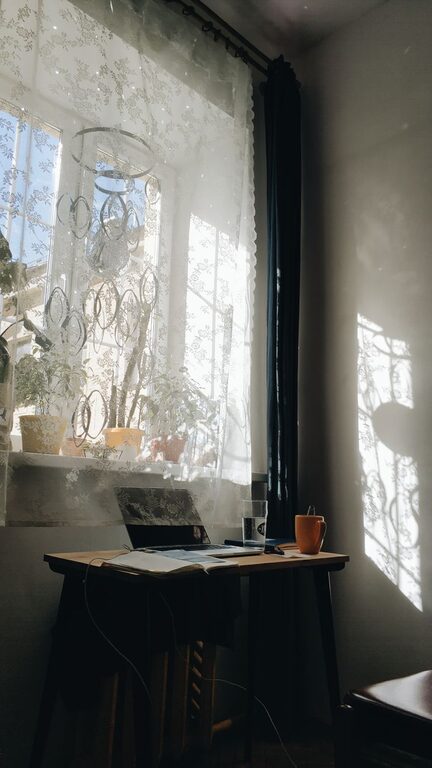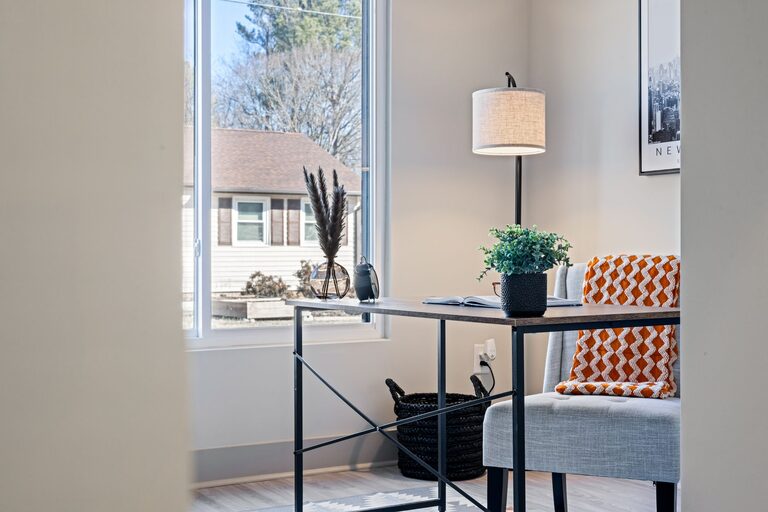
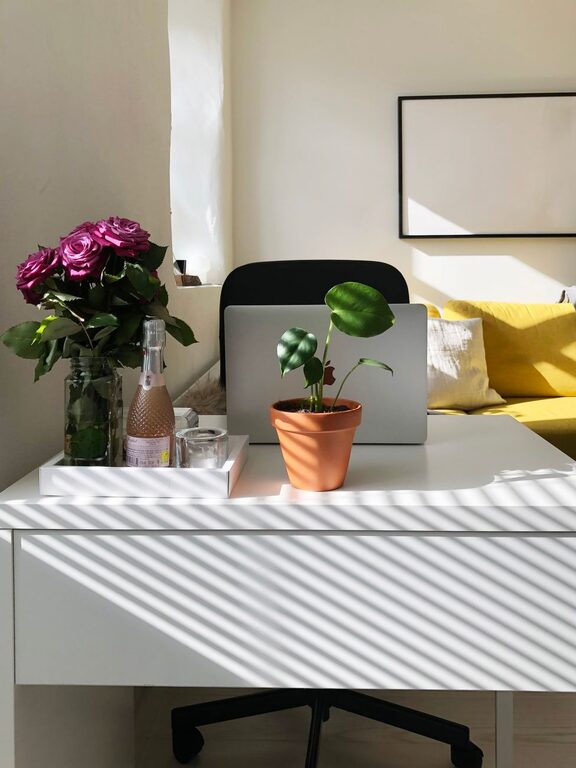
Creating a relaxing home workspace is essential for anyone who spends significant time working from home. A comfortable and calming environment can improve focus, reduce stress, and increase productivity. Whether you have a dedicated office room or just a small corner in your living space, there are practical steps you can take to make your workspace inviting and efficient.
In this post, we’ll explore various tips to help you design a workspace that not only looks good but also feels good to work in.
Choose the Right Location
Find a Quiet Spot
Start by selecting a quiet area in your home where you can minimize distractions. If possible, choose a space away from household noise like the TV or kitchen. A separate room with a door is ideal, but if that’s not possible, consider using room dividers or noise-canceling headphones.
Prioritize Natural Light
Natural light can boost mood and reduce eye strain. Place your desk near a window to take advantage of daylight. If natural light is limited, invest in quality artificial lighting that mimics daylight for a refreshing workspace.
Invest in Comfortable Furniture
Ergonomic Chair and Desk
Comfort starts with good furniture. An ergonomic chair supports your back and encourages proper posture. Pair it with a desk at the right height to avoid strain on your wrists and shoulders during typing or writing.
Adjustable Equipment
Consider adjustable desks that allow you to alternate between sitting and standing. This flexibility can improve circulation and reduce fatigue over long work hours.
Keep it Organized
Declutter Regularly
A cluttered workspace can be distracting and stressful. Make a habit of tidying your desk daily. Use storage solutions like drawers, shelves, and organizers to keep supplies neatly arranged.
Minimalist Approach
Keep only essential items on your desk. A clean workspace helps maintain focus and reduces mental clutter. Aim for a minimalist look that fosters calmness.
Add Personal and Relaxing Elements
Incorporate Plants
Plants are a great way to add life and color to your workspace. They can improve air quality and create a more serene environment. Choose low-maintenance plants like succulents or pothos that thrive indoors.
Use Calming Colors
Colors can influence mood. Soft, neutral tones like light blues, greens, or beiges create a peaceful atmosphere. You can add these colors through wall paint, decor, or accessories like cushions and rugs.
Add Personal Touches
Include a few personal items such as a favorite photo or inspiring quote to make your workspace welcoming. However, avoid overcrowding to maintain tranquility.
Optimize Lighting and Screen Setup
Use Task Lighting
In addition to natural light, task lighting like desk lamps can reduce eye strain and keep your work area well-lit during darker hours. Adjustable lamps let you direct light as needed.
Position Your Screen Properly
Place your computer screen at eye level and about an arm’s length away. This helps prevent neck strain and reduces glare. Adjust brightness and contrast to comfortable levels.
Manage Noise and Distractions
Soundproofing
If noise is a problem, try adding rugs, curtains, or soft furnishings to absorb sound. White noise machines or apps can also help mask background distractions.
Set Boundaries
Communicate your work hours to family or housemates so they respect your focus time. Consider using “do not disturb” signs or headphones when needed.
Take Breaks and Stay Comfortable
Schedule Regular Breaks
Taking short breaks helps maintain energy and focus. Use a timer to remind yourself to stand up, stretch, or take a quick walk every hour.
Keep Hydrated and Nourished
Keep a water bottle and healthy snacks nearby to stay energized. Avoid cluttering your desk with food wrappers by keeping a separate area for refreshments.
Use Technology to Your Advantage
Organize Digital Files
A clean digital workspace is just as important. Use folders and cloud storage to keep your files organized and easy to access.
Productivity Tools
Use apps or timers to manage tasks, set goals, and minimize distractions. Popular tools include task lists, calendar reminders, and focus apps that block distracting websites.
—
Creating a relaxing home workspace takes intentional effort but can make a big difference in your daily work experience. By choosing the right location, investing in comfortable furniture, keeping organized, and adding calming elements, you create an environment that supports productivity and wellbeing.
Remember, your workspace should be a place where you feel calm, focused, and motivated. Start making small changes today and enjoy the benefits of a comfortable, productive work-from-home setup.