
Creating a cozy and inviting home workspace can significantly enhance your productivity and overall work experience. Whether you’re working remotely full-time or occasionally, having a comfortable and well-designed area dedicated to your tasks can boost focus and reduce stress. Here are some helpful tips to transform your workspace into a warm, inviting environment.
Choose the Right Location
Your workspace location sets the foundation for comfort and productivity.
– Natural Light: If possible, choose a spot near a window. Natural light helps improve mood and reduce eye strain.
– Quiet Area: Select a space with minimal noise distractions to maintain concentration.
– Ample Space: Ensure there is enough room for your desk, chair, and any work materials you need.
Invest in Comfortable Furniture
Comfortable furniture supports long hours of work and helps maintain good posture.
– Ergonomic Chair: An adjustable chair with good lumbar support prevents back pain.
– Desk Height: Your desk should suit your height so your elbows form a 90-degree angle when typing.
– Footrest: Consider using a footrest if your feet don’t rest flat on the floor to reduce leg fatigue.
Personalize Your Workspace
Adding personal touches makes your workspace feel inviting and uniquely yours.
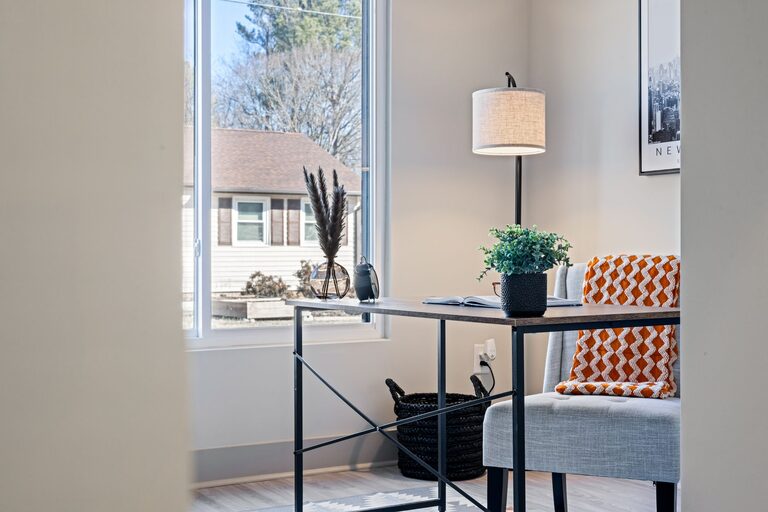
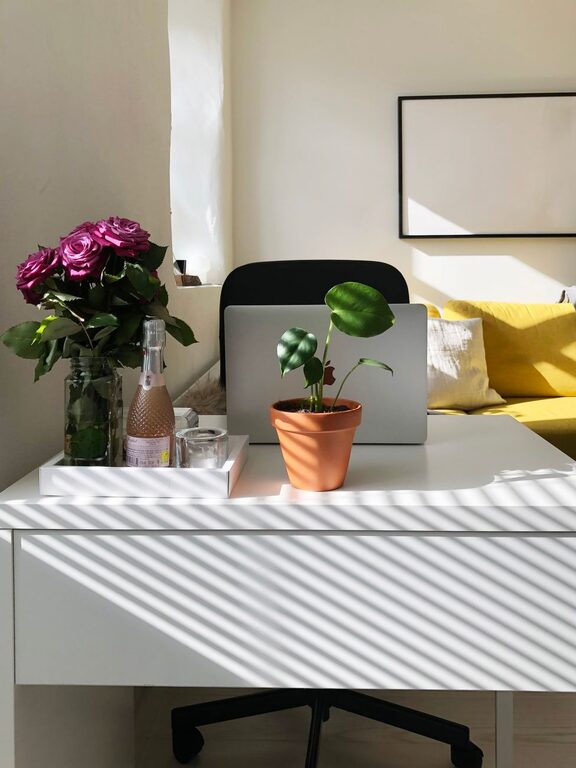
– Decor: Use photos, artwork, or plants to brighten your space.
– Colors: Choose calming colors like soft blues, greens, or warm neutrals that promote focus.
– Rugs and Cushions: Soft textiles add warmth and texture to the area.
Organize Efficiently
A clutter-free workspace helps clear your mind and prioritizes productivity.
– Storage Solutions: Use shelves, drawers, or organizers to keep supplies tidy.
– Cable Management: Manage cords with clips or sleeves to keep your desk neat.
– Daily Clean-Up: Spend a few minutes at the end of each day tidying your workspace.
Optimize Lighting
Good lighting reduces eye strain and enhances your mood.
– Task Lighting: Use a desk lamp with adjustable brightness to illuminate your work area.
– Avoid Glare: Position screens and light sources to avoid reflections on your monitor.
– Layered Lighting: Combine natural, ambient, and task lighting for balance.
Add Greenery
Plants not only improve air quality but also create a serene atmosphere.
– Low Maintenance Plants: Choose options like succulents, snake plants, or pothos.
– Plant Placement: Place plants on your desk, shelves, or windowsills where they receive sufficient light.
– Benefit: Greenery helps reduce stress and boosts creativity.
Manage Noise
Sound can either be distracting or help you focus depending on your environment.
– Noise-Canceling Headphones: Ideal if you can’t control background noise.
– Soft Furnishings: Rugs, curtains, and cushions absorb sound.
– Ambient Music: Soft instrumental or nature sounds can improve concentration.
Keep Essentials Within Reach
Arrange frequently used items nearby for convenience.
– Desk Layout: Place your computer, notepad, pens, and other tools where you can easily access them.
– Minimalism: Avoid overcrowding; only keep items you need regularly on your desk.
Incorporate Break Zones
If space allows, create a small area for breaks to refresh your mind.
– Comfortable Seating: A cozy chair or cushion can be a great spot to relax.
– Reading Nook: Keep a few books or magazines for short mental breaks.
– Stretch Area: Allocate space for simple stretches or meditation.
Maintain a Routine
Your workspace environment is only part of creating a productive workday.
– Set Regular Hours: Keep consistent start and stop times.
– Dress Comfortably: Wearing comfortable attire helps you get into the work mindset.
– Take Scheduled Breaks: Step away from your desk regularly to avoid burnout.
—
By thoughtfully designing your home workspace with comfort, organization, and personal touches, you can create a cozy and inviting environment that supports your productivity and wellbeing. Start with small changes and adjust as you go to find what works best for your unique needs.