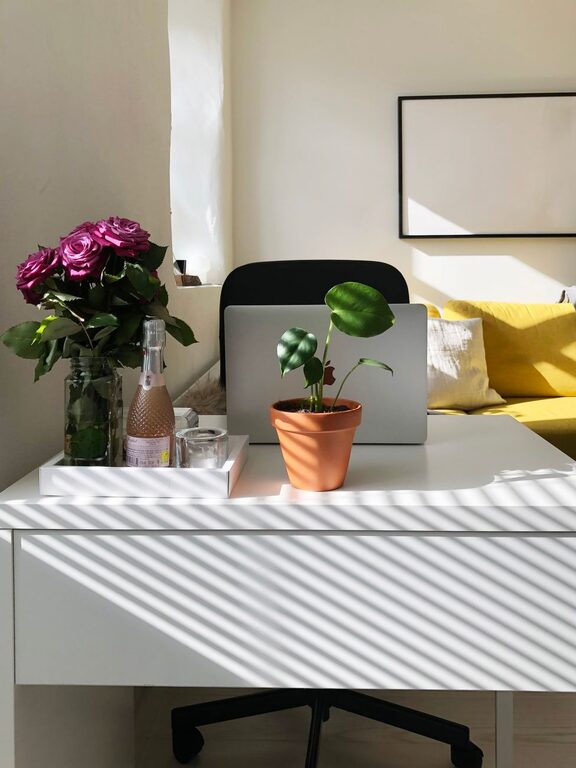
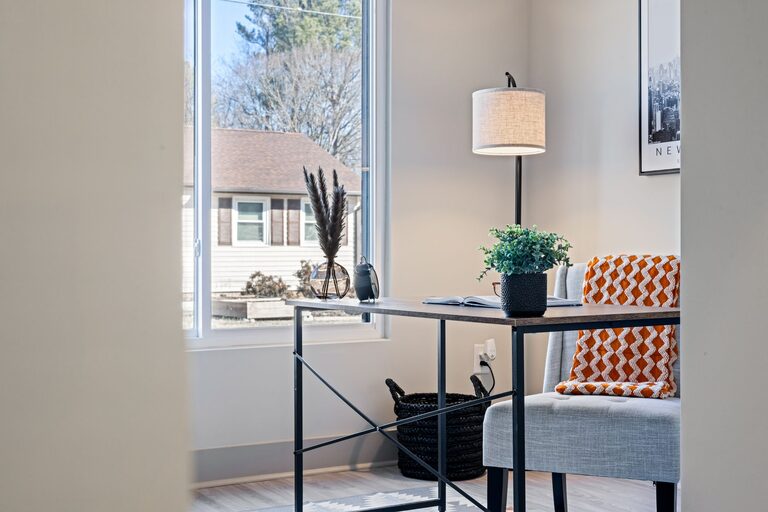
Creating a home office that feels cozy and inviting can make a significant difference in your workday. Whether you spend a few hours a week or all day working from home, a comfortable and well-designed office space supports focus, creativity, and well-being. Here are some practical tips to help you design a home office that feels warm, welcoming, and tailored to your needs.
Choose the Right Location
When setting up your home office, location matters. Pick a spot that minimizes distractions and has enough natural light to keep the space bright and energizing.
– Quiet corners like a spare room or a section of a bedroom can help you concentrate.
– If natural light is limited, add lamps with daylight bulbs to reduce eye strain.
Invest in Comfortable Seating
Your chair plays a critical role in your comfort. An ergonomic chair with good lumbar support helps prevent back pain and keeps you comfortable during long work sessions.
– Look for adjustable chairs that fit your body size.
– Add a soft cushion or a cozy throw blanket for extra warmth.
Use Warm and Soothing Colors
Color influences mood and productivity. Soft, warm tones like beige, pastel blue, sage green, and muted yellows help create a calming atmosphere perfect for focused work.
– Avoid overly bright or harsh colors that can cause anxiety.
– Add accent colors through art, cushions, or plants to personalize the space.
Personalize with Meaningful Decor
Adding personal touches makes your workspace inviting and inspirational.
– Display photos, artwork, or quotes that motivate you.
– Include items that bring joy, like a small sculpture or a favorite mug.
Incorporate Plants for Freshness
Indoor plants not only improve air quality but also add a touch of nature, making the space feel alive and refreshing.
– Easy-care plants like pothos, snake plants, or succulents require minimal maintenance.
– Place them near windows or on your desk but avoid overcrowding.
Organize Your Desk and Supplies
Clutter can cause stress and reduce productivity. Keeping your desk neat and supplies within reach creates a functional and pleasant environment.
– Use organizers, trays, or drawer dividers to keep small items tidy.
– Reserve space for your computer, notepads, and essentials.
Optimize Lighting
Good lighting reduces eye fatigue and enhances mood.
– Use a combination of overhead lighting and task lamps.
– Position your desk near a window for natural light when possible.
– Consider soft white or daylight bulbs to create a warm yet bright setting.
Add Texture and Comfort with Textiles
Soft textiles bring warmth and coziness to your home office.
– Use rugs to define the space and add softness underfoot.
– Throw pillows and blankets can make seating areas feel inviting.
– Fabric-covered bulletin boards add texture and function.
Manage Noise Levels
A comfortable noise level helps you focus.
– Use noise-cancelling headphones if the area is noisy.
– Soft furnishings like curtains and rugs can help absorb sound.
– White noise machines or calming background music might enhance concentration.
Maintain a Dedicated Workspace
Keeping your workspace separate from the rest of your home helps create clear boundaries between work and relaxation.
– Avoid working from your bed or couch if possible.
– Set specific working hours and stick to them to maintain balance.
Final Thoughts
Creating a cozy and inviting home office is about combining function with personal comfort. By focusing on lighting, color, organization, and personal touches, you can build a space that nurtures productivity and well-being. Tailor these tips to fit your lifestyle and preferences, and enjoy a home office that inspires you every day.