Creating a home office that balances comfort and productivity is essential, especially as many people continue to work remotely or adopt hybrid work styles. A cozy workspace can boost your mood and motivation, while a well-organized setup helps you stay focused and efficient. Whether you’re setting up a new office or improving an existing one, these tips will guide you toward a space that works beautifully for you.
Choose the Right Location
Selecting the ideal spot for your home office is the first step. Consider the following:
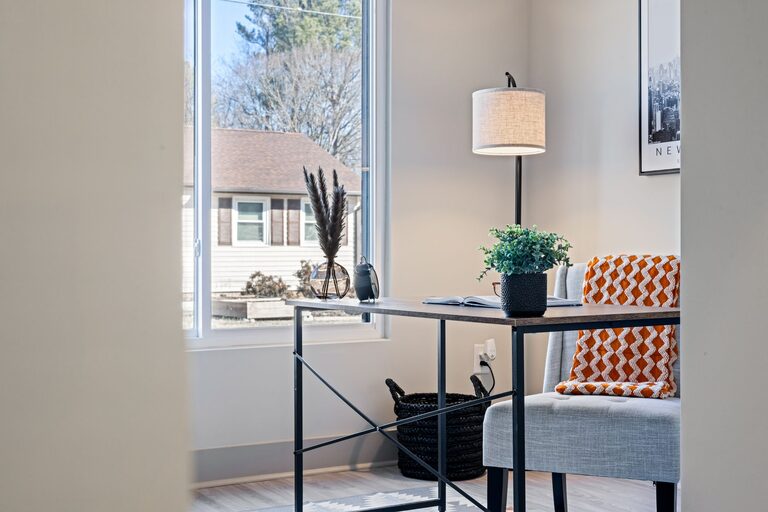
– Natural Light: Position your desk near a window to benefit from natural daylight, which helps reduce eye strain and improves your mood.
– Quiet Environment: Pick a space with minimal distractions to maintain focus. This could be a spare room, a corner of your living room, or even a nook in your bedroom.
– Adequate Space: Ensure there’s enough room for your desk, chair, and any other tools you need, plus some space to move around comfortably.
Invest in Comfortable, Ergonomic Furniture
Comfort is key when you spend hours working at your desk. To avoid discomfort and maintain good posture:
– Choose an ergonomic chair that supports your back and encourages proper posture.
– Select a desk at an appropriate height to keep your arms and wrists in a natural position.
– Consider adding a footrest if your feet don’t reach the floor comfortably.
– If space and budget allow, experiment with a sit-stand desk to alternate between sitting and standing, which can reduce fatigue.
Create Proper Lighting
Good lighting plays a crucial role in productivity and comfort:
– Use a mix of natural and artificial light. Natural light helps your body clock stay regulated, while well-placed lamps reduce shadows and glare.
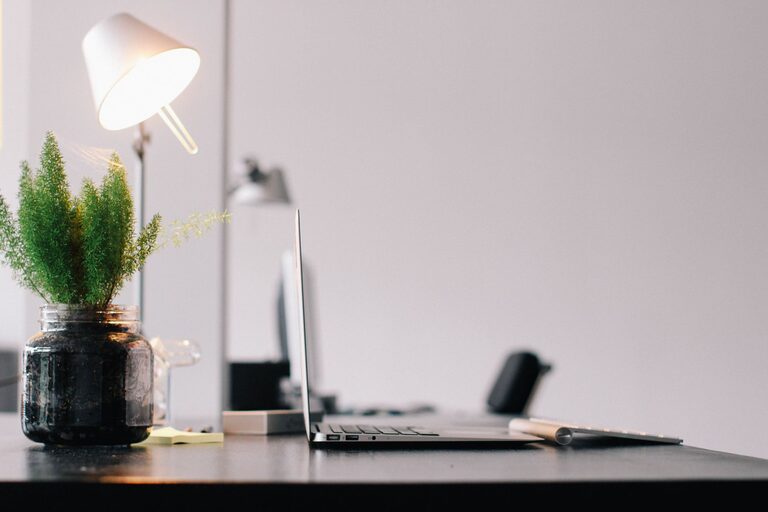
– Add a desk lamp with adjustable brightness for focused task lighting.
– Avoid positioning your computer screen directly in front of or behind a bright window, which can cause glare.
Organize Your Space Wisely
A clutter-free workspace helps clear your mind and increases efficiency. Try these strategies:
– Use storage solutions like shelves, drawers, and organizers to keep supplies neat.
– Keep your desk clear of unnecessary items; only have essentials within reach.
– Use cable management tools such as clips or sleeves to keep wires tidy.
– Establish a filing system for papers to avoid piles that overwhelm your desk.
Personalize Your Workspace
Adding personal touches makes your office inviting and inspiring. Some ideas include:
– Display photos, artwork, or motivational quotes that make you smile.
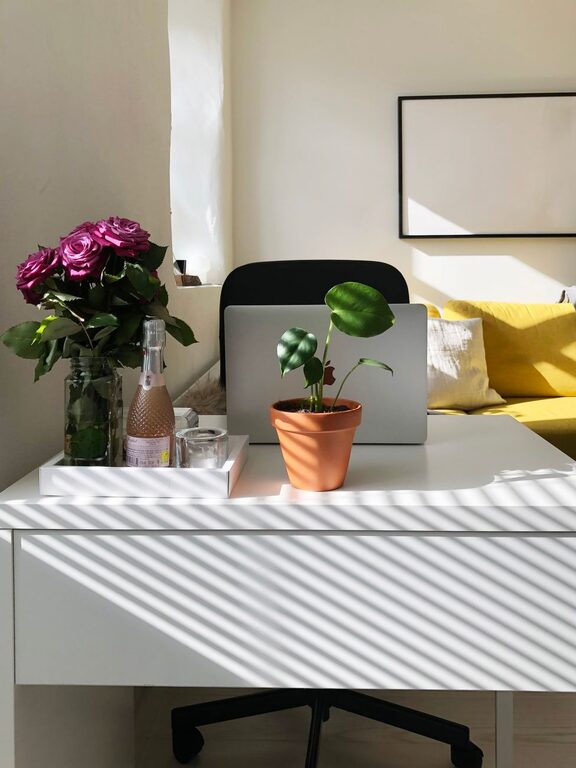
– Incorporate a few plants, which can purify air and add a relaxing vibe.
– Choose colors and décor that make you feel calm and happy — soft blues, greens, or warm neutrals often work well.
– Use cozy items like a soft throw blanket or cushions for added comfort.
Incorporate Technology Thoughtfully
Technology is essential but can sometimes distract or clutter your space. Keep these points in mind:
– Invest in quality equipment: a reliable computer, headphones, and a good monitor can reduce strain and increase efficiency.
– Use wireless devices to cut down on cables and keep your space tidy.
– Optimize your internet setup for stable, fast connections.
– Manage digital distractions by using apps or browser extensions that limit notifications during work hours.
Set Boundaries and Establish a Routine
To make your home office productive, it’s important to create a work-life balance:
– Designate your office space strictly for work to help your brain shift into “work mode.”
– Set clear working hours and stick to them.
– Take regular breaks to stretch or walk around — this helps maintain energy and focus.
– Communicate your schedule to other household members to avoid interruptions.
Enhance Comfort with Temperature and Air Quality
A comfortable atmosphere keeps you attentive and healthy:
– Adjust the room temperature to a pleasant level — generally between 68°F and 72°F (20°C to 22°C).
– Improve ventilation by opening windows or using air purifiers.
– Use a small fan or heater if needed to maintain a steady climate.
Keep It Flexible and Adaptive
Your work habits and needs might change, so it’s a good idea to keep your home office adaptable:
– Use modular furniture that can be easily rearranged.
– Have extra storage options for unexpected projects or materials.
– Experiment with different layouts or add standing options if needed.
—
Creating a cozy and productive home office is about blending comfort with practical design. With thoughtful planning and attention to your needs, you’ll build a space that supports your work and well-being every day. Happy decorating!