
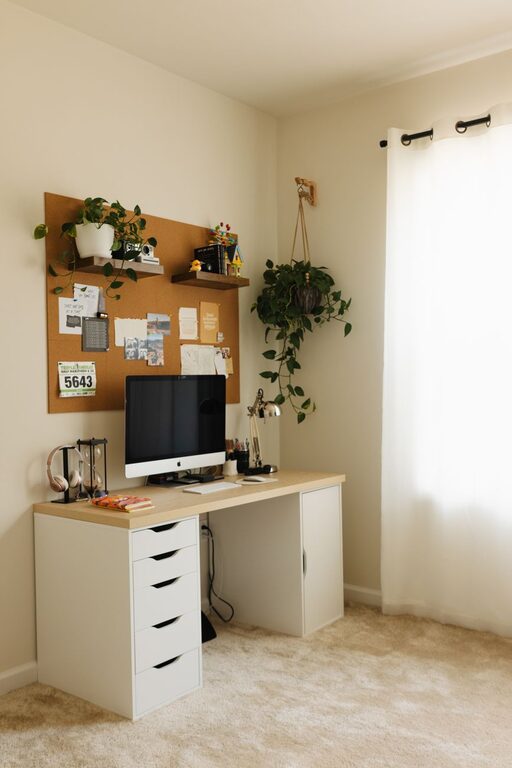
Creating a relaxing home office environment is essential for maintaining productivity and well-being while working from home. Whether you spend a few hours a day or full-time in your workspace, the right setup can make a significant difference in how you feel and perform. This guide offers practical tips to help you design a home office that fosters calm, focus, and comfort.
Choose the Right Location
Choosing where to set up your home office is the first step in creating a relaxing environment.
– Quiet Corner or Room: Select a space that minimizes noise and distractions. If possible, dedicate a separate room to your office.
– Natural Light: Position your desk near a window to take advantage of natural light, which can boost your mood and energy.
– Ventilation: Good airflow is important; avoid stuffy areas and consider a small fan or air purifier.
Invest in Comfortable Furniture
Your furniture choices impact both comfort and productivity.
– Ergonomic Chair: Choose a chair that supports your back and encourages good posture to prevent strain.
– Adjustable Desk: A desk with adjustable height allows you to alternate between sitting and standing, benefiting circulation and focus.
– Adequate Desk Space: Ensure there’s enough room for your computer, notebooks, and other essentials without feeling cluttered.
Create a Calming Color Scheme
Colors influence emotions and energy levels, so select tones that promote relaxation and concentration.
– Soft Neutrals: Shades like beige, light gray, and soft white create a soothing backdrop.
– Cool Blues and Greens: These colors are known to reduce stress and improve focus.
– Avoid Bright, Intense Colors: Vibrant reds and yellows can sometimes be distracting or increase anxiety.
Organize and Declutter
An organized workspace helps clear your mind and reduces stress.
– Declutter Daily: Spend a few minutes at the end of each workday tidying up.
– Use Storage Solutions: Shelves, drawers, and organizers keep supplies out of sight but within reach.
– Limit Personal Items: While a few personal touches can be comforting, too many distractions might reduce productivity.
Incorporate Natural Elements
Bringing nature indoors contributes to a more relaxing and inviting office.
– Houseplants: Plants like succulents, snake plants, or peace lilies improve air quality and add calming greenery.
– Natural Materials: Wood, stone, and woven textures make space feel warmer and more grounded.
– Nature-Inspired Artwork: Pictures or prints of landscapes can promote relaxation.
Optimize Lighting
Proper lighting reduces eye strain and improves mood.
– Layered Lighting: Combine ambient, task, and accent lighting for flexibility.
– Adjustable Desk Lamp: Helps focus light where you need it most.
– Limit Harsh Overhead Lighting: Use softer bulbs or dimmers to create a gentler atmosphere.
Minimize Noise and Distractions
Maintaining a quiet environment supports concentration and calm.
– Noise-Canceling Headphones: These can help block background noise if your office is noisy.
– Soundproofing: Use rugs, curtains, or acoustic panels to absorb sound.
– White Noise Machines or Apps: Steady background sounds can improve focus by masking abrupt noises.
Add Personal Comfort Touches
Small additions can make the space more inviting and comfortable.
– Cozy Textiles: A soft throw blanket or cushion can add warmth.
– Aromatherapy: Scents like lavender or eucalyptus may help reduce stress. Use essential oil diffusers safely.
– Hydration Station: Keep a water bottle or infused water nearby to stay refreshed.
Establish Clear Boundaries
Making the boundaries clear between work and personal life is key in a home office setting.
– Set Specific Work Hours: Commit to a schedule to avoid overworking or distractions.
– Use Visual Cues: A “Do Not Disturb” sign or closed door can signal when you’re focusing.
– End-of-Day Ritual: Close your laptop, tidy your desk, or turn off the office light to mentally switch off work mode.
Keep Technology Organized and Updated
Technology is vital but can be a source of frustration without careful management.
– Use Cable Management Tools: Keep cords neat with clips or covers to avoid clutter.
– Maintain Your Devices: Regular updates and clean-ups help prevent technical issues.
– Invest in Quality Equipment: Tools that work efficiently, like a reliable computer and good headphones, support productivity.
Final Thoughts
Creating a relaxing home office environment doesn’t require a complete overhaul. Focus on small, thoughtful changes that enhance comfort, reduce distractions, and promote calmness. With the right setup, your home office can become a peaceful space where you enjoy working and stay motivated throughout the day.